Weber Searwood 600 Review
Pellet Grill / Smoker★★★★★
$1,500–$1,900 typical price range
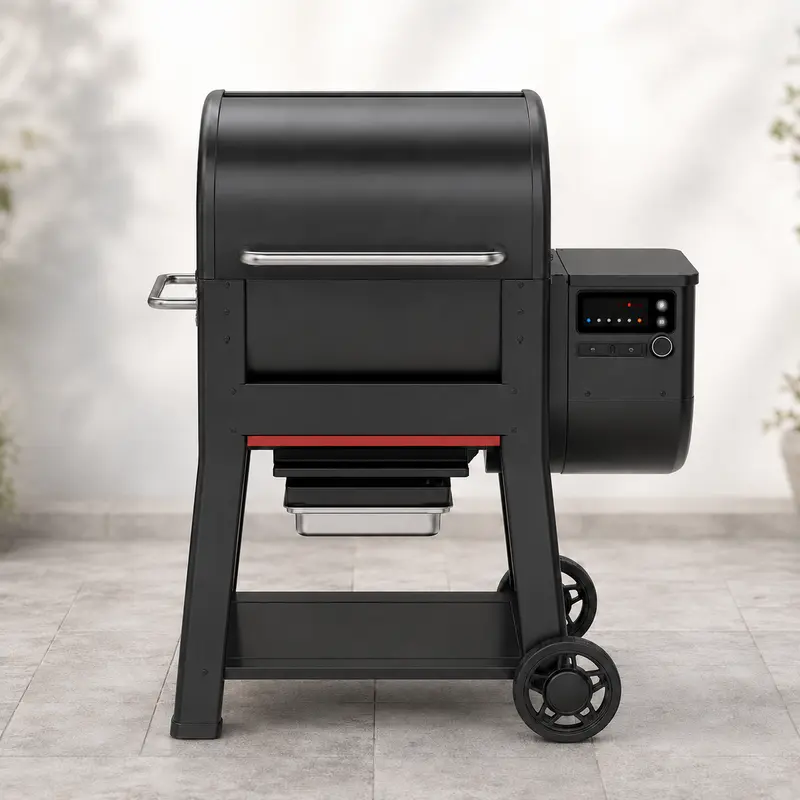
The Weber Searwood 600 makes an immediate impression when you unbox it. The porcelain-enamel lid has real heft — this isn't thin stamped steel. Every handle, hinge, and latch feels purposeful and over-engineered. Weber has been building grills for over 70 years and the institutional knowledge shows in details competitors miss: the lid seal is tight out of the box, the casters roll smoothly on concrete, and the side table folds down without wobbling.
Assembly takes 60–90 minutes and is best done with two people. The lid is heavy and the hardware is precise — no forcing bolts into misaligned holes. Weber's instruction manual is among the best in the industry, with clear illustrations and a logical sequence. Once assembled, the grill has a commanding, premium presence that looks significantly more expensive than it is.
The PID controller maintains temperature within ±10°F in normal conditions — slightly wider than Camp Chef but tighter than Pit Boss. Recovery time after opening the lid is about 5-7 minutes, which is average for the category. Where the Searwood distinguishes itself is at the extremes: it holds 200°F for low-and-slow smoking without the wide swings that plague cheaper controllers, and it reaches 600°F at the Sear Station for genuine direct-flame searing.
The Sear Station is the Searwood's killer feature. A portion of the grill grate sits directly over the fire pot, creating a zone of intense direct heat. You can smoke a brisket at 225°F for 12 hours, then crank the Sear Station to put a steakhouse crust on ribeyes — all without moving food to another grill. In our research, this is the feature owners rave about most consistently.
The Flavorizer bars — borrowed from Weber's gas grill line — sit below the grate and above the drip tray. Meat juices drip onto the bars, vaporize, and rise back up through the food. The result is a flavor profile that's noticeably richer than typical pellet grills. It's not the deep smoke ring of a charcoal offset, but it's significantly closer than any other pellet grill we've reviewed.
For smoking, the Searwood performs exactly as you'd expect from a premium pellet grill. Briskets come out with good bark and a visible smoke ring. Ribs have clean smoke flavor without bitterness. Chicken skin renders well at higher temps. The large cooking area means you can run multiple proteins simultaneously without crowding — we've seen owners report fitting two full briskets plus a rack of ribs at once.
Weber Connect handles the basics well: set target temp, monitor internal meat probes, get alerts when food is done. It connects via WiFi (not Bluetooth), so you can monitor from anywhere with internet access. The interface is clean and responsive, though it lacks the recipe depth and community features of the Traeger app.
Where Weber Connect shines is reliability. Connection drops are rare, and the app doesn't try to do too much. It's a monitoring tool, not a social platform — and for most pitmasters, that's exactly right. Firmware updates happen automatically and have added features like food estimation timers since launch.
The grease management system funnels drippings into a disposable aluminum tray underneath — standard for pellet grills but executed well here. The porcelain-enamel lid wipes clean easily. The Flavorizer bars need periodic cleaning (every 5-10 cooks), which takes about 10 minutes with a grill brush.
The fire pot and ash system requires vacuuming every few cooks — not as convenient as Camp Chef's lever-operated cleanout, but not a dealbreaker. Overall maintenance is minimal for a grill of this caliber.
At $1,500-1,900, the Searwood 600 competes directly with the Traeger Ironwood XL ($1,800-2,200) and high-end Camp Chef configurations. Compared to the Traeger, you get a larger cooking area, searing capability, a longer warranty, and a lower price. Compared to Camp Chef, you get searing and Flavorizer bars but lose the ash cleanout lever and Sidekick expandability.
For most buyers, the Weber Searwood 600 is the best value in the premium pellet grill tier. The searing capability alone justifies the price for anyone who doesn't want to own a separate grill for high-heat cooking.
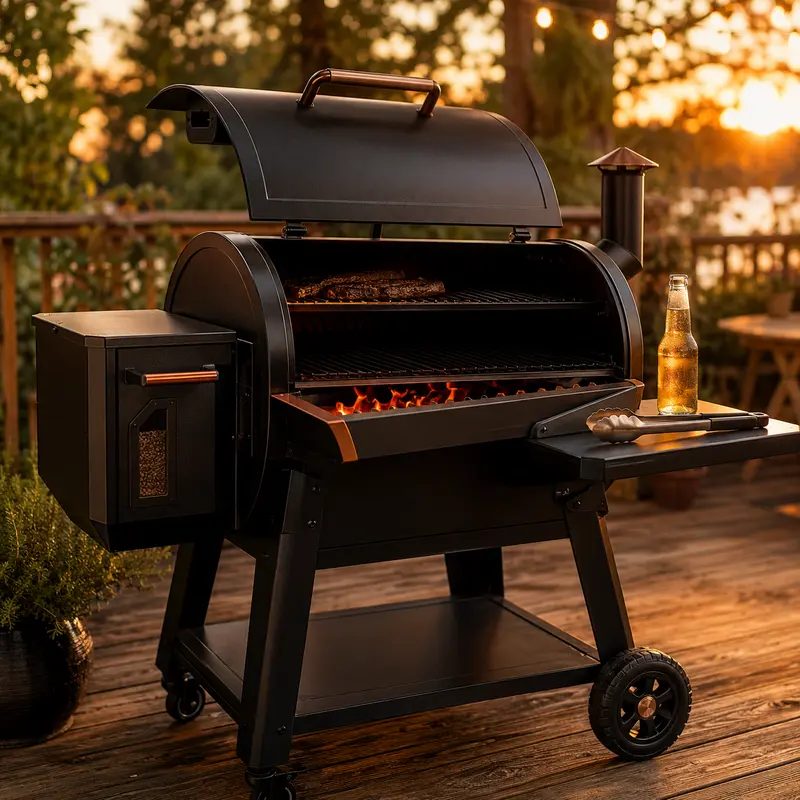
Best app ecosystem + Super Smoke mode. More expensive, less versatile searing.
Read Traeger vs Weber comparison →
Tighter temp control + ash cleanout lever. No searing, but Sidekick adds versatility.
See all pellet smokers →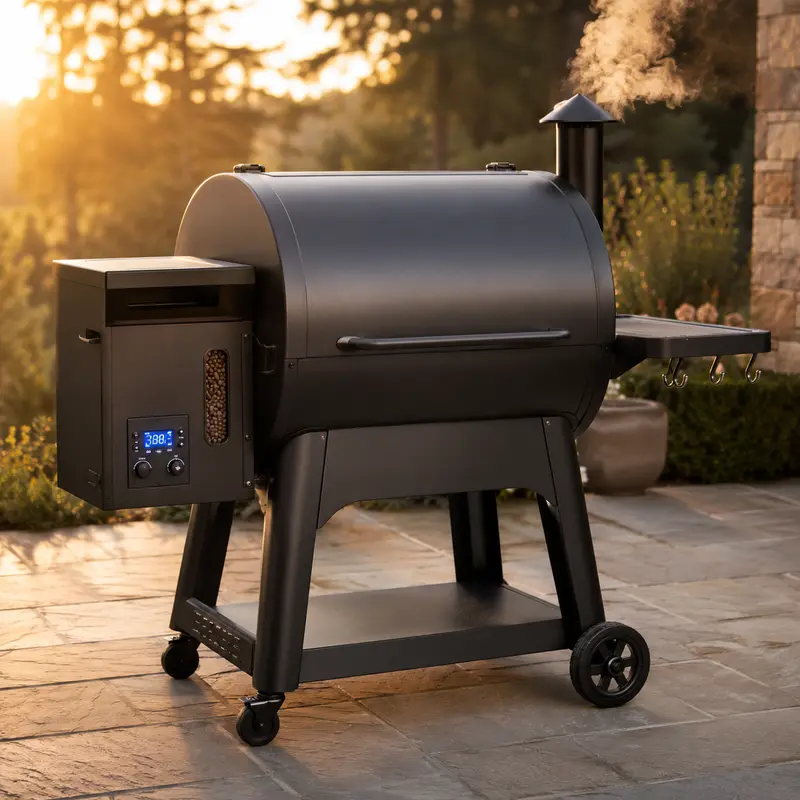
WiFi + flame broiler at half the price. Less refined but incredible value.
Read Pit Boss vs Camp Chef →